Canine Bed Bug Detection Dogs: Why Scent Dogs Are the Most Accurate Bed Bug Inspection Method
By Yemi Aina, Tristate Bedbug Dogs
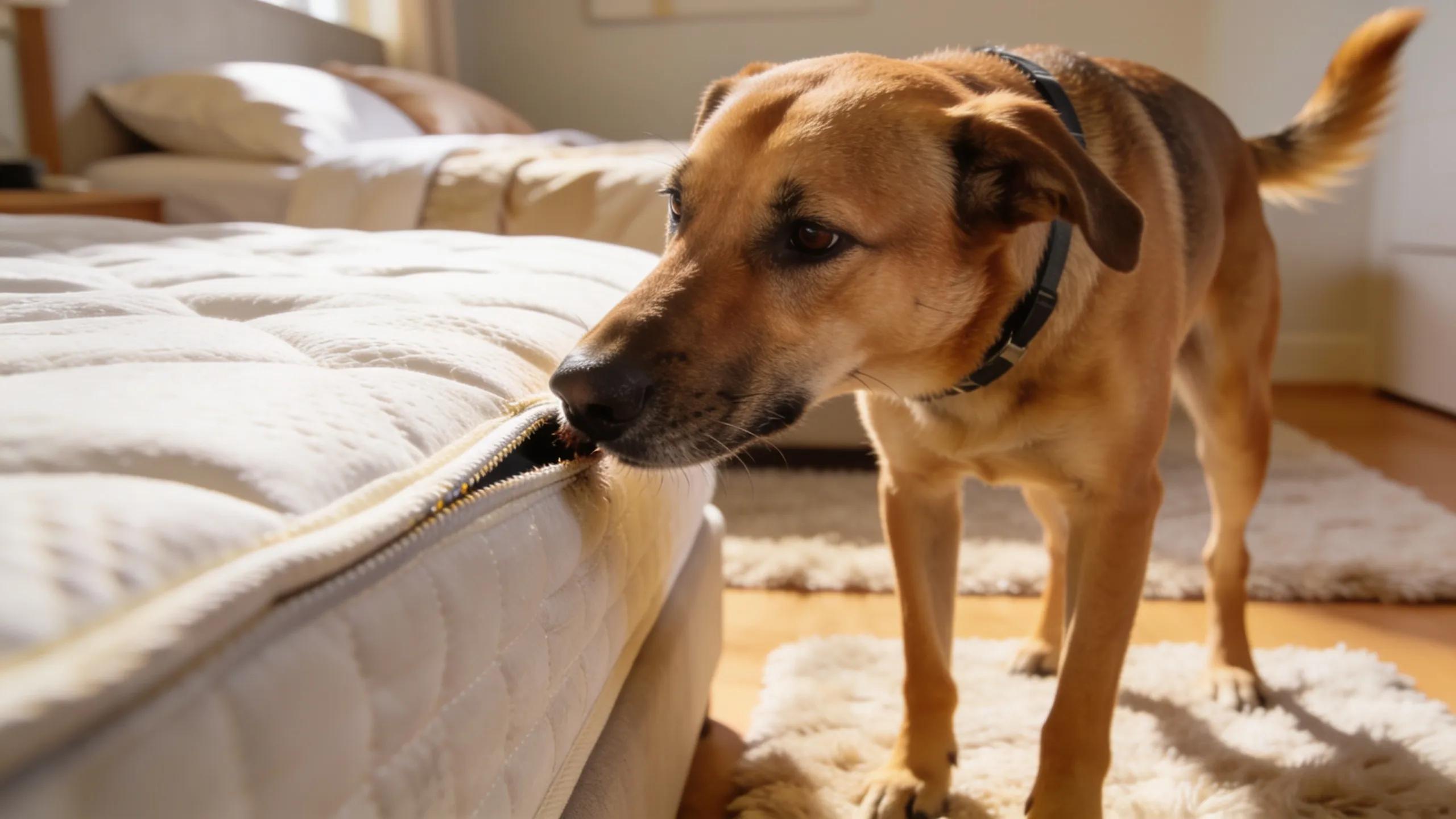
Canine bed bug detection has emerged as a highly effective method for identifying infestations, with scent dogs leading the way in accuracy and efficiency. This article explores how trained dogs can detect bed bugs far better than conventional inspection methods. By utilizing their natural olfactory abilities, these dogs offer a non-invasive solution that minimizes disruption while providing rapid results. Homeowners, property managers, and pest control professionals will benefit from understanding the mechanisms behind canine detection, the advantages it offers, and how to prepare for a successful inspection. We will also delve into the effectiveness of these dogs and what it means for dealing with bed bug problems. For more information on our services, you can visit Tristate Bed Bug Dogs.
Training
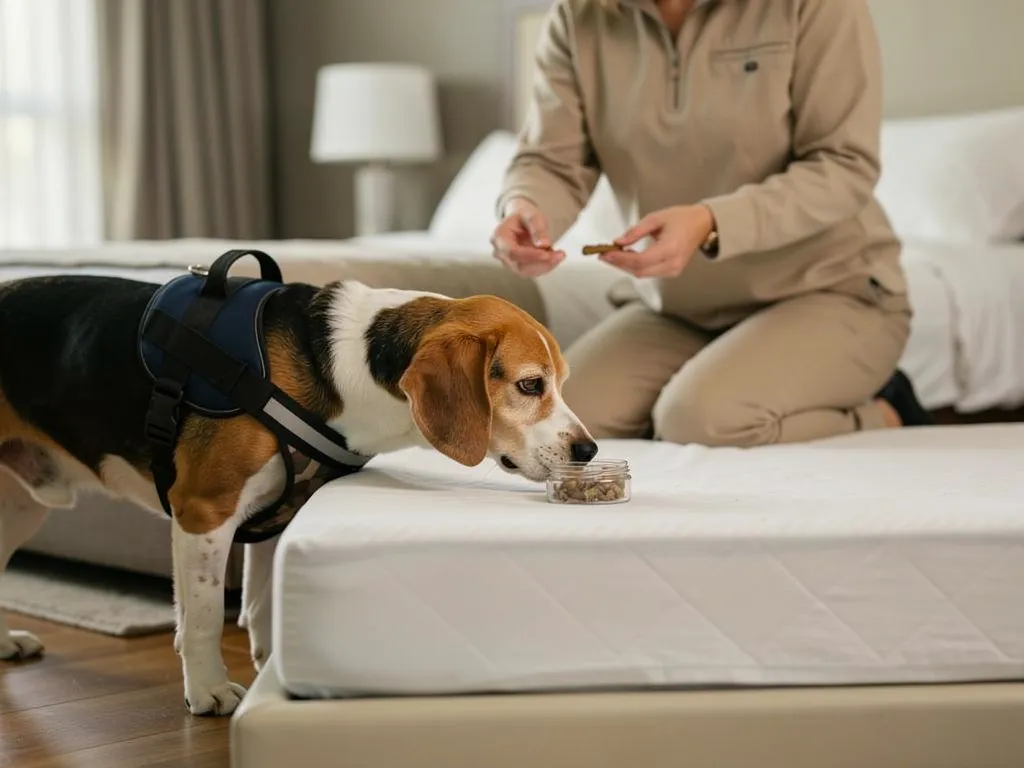
The training of scent dogs is a meticulous process that ensures their effectiveness in detecting bed bugs. Specifically, these dogs undergo exposure to live bed bugs to familiarize them with the scent, leading to a heightened ability to recognize the specific odor associated with these pests. Positive reinforcement techniques are employed to encourage desired behaviors during training sessions, reinforcing their learning. Many scent dogs also go through certification programs that verify their capabilities, further ensuring their reliability in inspection scenarios.
Scientific research further confirms how specialized training allows dogs to pinpoint various pest infestations with high precision.
How Scent Dogs Efficiently Locate Pest Infestations Dogs could detect and locate the source of pest insect Scent detection dogs for the Asian longhorn beetle, Anoplophora glabripennis, G Hoch, 2016
Effectiveness
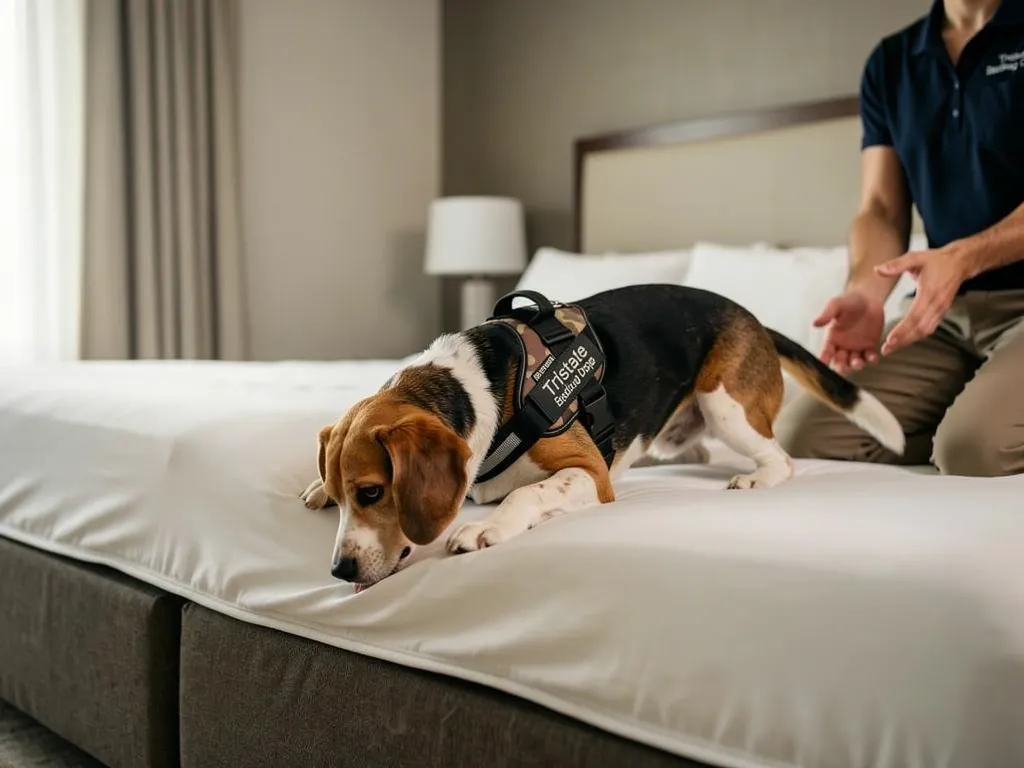
The effectiveness of canine inspections is rooted in their exceptional detection accuracy. Research indicates that trained bed bug scent dogs can identify infestations with an impressive rate of success, often exceeding reliability compared to human inspectors. Their ability to conduct thorough searches quickly translates to faster inspection processes, saving time and resources for property owners. Additionally, the non-invasive nature of this method means fewer disruptions within households or businesses during the detection process, allowing for a more convenient experience for everyone involved.
Advantages Over Traditional Methods
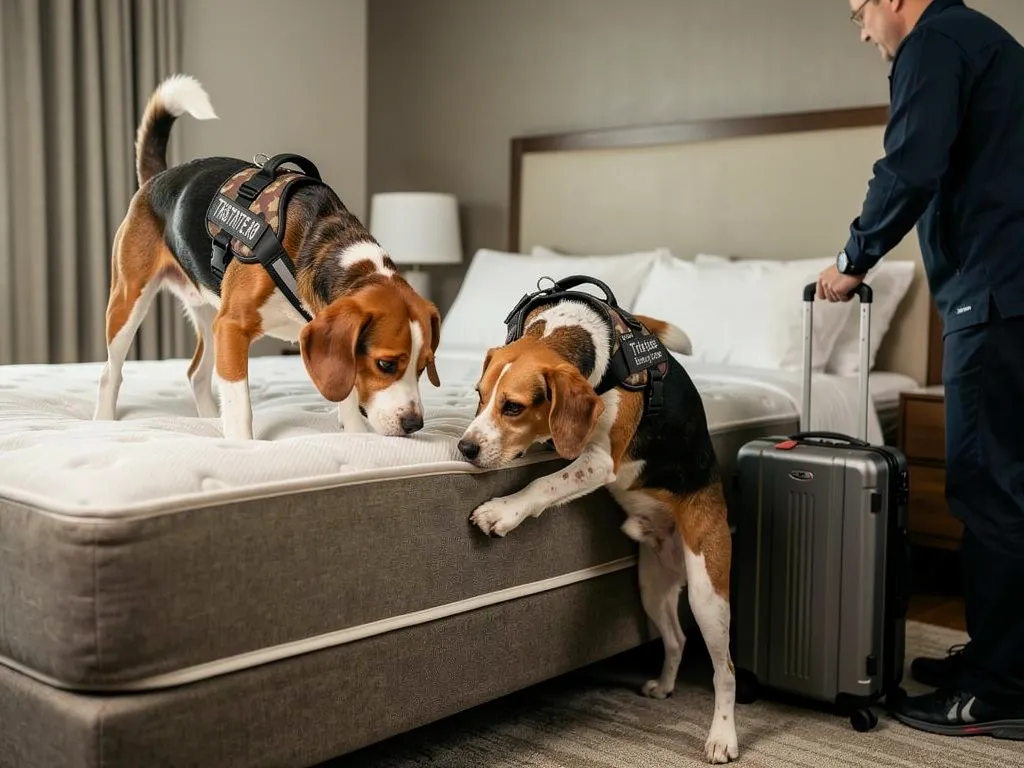
Canine inspections stand out when compared to traditional pest control methods. The advantages include:
- Higher Accuracy Rates: Scent dogs regularly achieve detection rates above 95%, making them significantly more reliable than visual inspections.
- Faster Coverage: Professional scent dogs can cover large areas in a fraction of the time it takes for a human inspector.
- Early Detection: By identifying infestations before they escalate, scent dogs help minimize the extent of the problem, leading to cost-effective interventions.
These factors contribute to the effectiveness of trained canine teams in managing bed bug infestations.
How does canine bed bug detection work with scent dogs?
Canine bed bug detection works through a systematic approach that leverages the dog's olfactory sensitivity. These dogs perform thorough searches in areas known for potential infestation such as seams of mattresses, behind furniture, and within cracks and crevices. Their innate behavioral indicators, such as alert signals, are crucial for indicating the presence of bed bugs, enabling handlers to pinpoint the areas requiring further inspection. This methodology provides a highly accurate and efficient means of detecting bed bugs, making it an optimal choice for homeowners and businesses alike.
What training methods ensure bed bug scent dogs' detection accuracy?
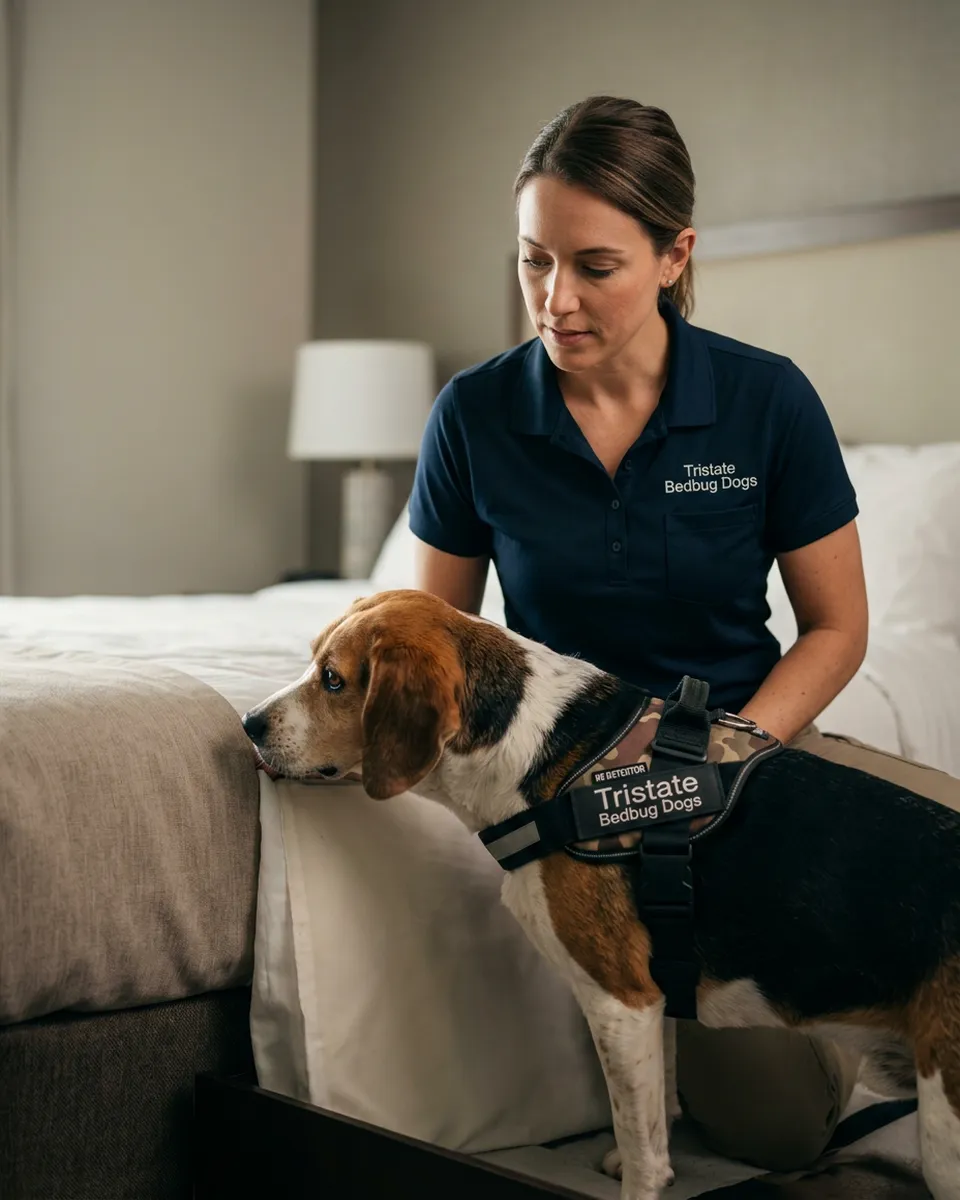
Several training methods are critical to ensuring the detection accuracy of bed bug scent dogs. Key methods include:
- Scent Discrimination: Dogs are trained to distinguish between the scent of bed bugs and other odors in their environment.
- Positive Reinforcement: Reward-based training encourages dogs to alert when they find the targeted scent, solidifying their skills.
- Regular Evaluations: Consistent assessments ensure dogs maintain their detection capabilities, adapting to any changes in techniques or environments.
Through these rigorous training methods, scent dogs are equipped to deliver precise detection services.
The use of specific training protocols involving chemical cues is a proven method for honing these animals' sensory capabilities.
Canine Olfactory Detection: Training Dogs to Find Pests Dogs could detect and locate the source of pest insect Using synthetic semiochemicals to train canines to detect bark beetle–infested trees, G Birgersson, 2019
How do scent dogs perform non-invasive bed bug inspections?
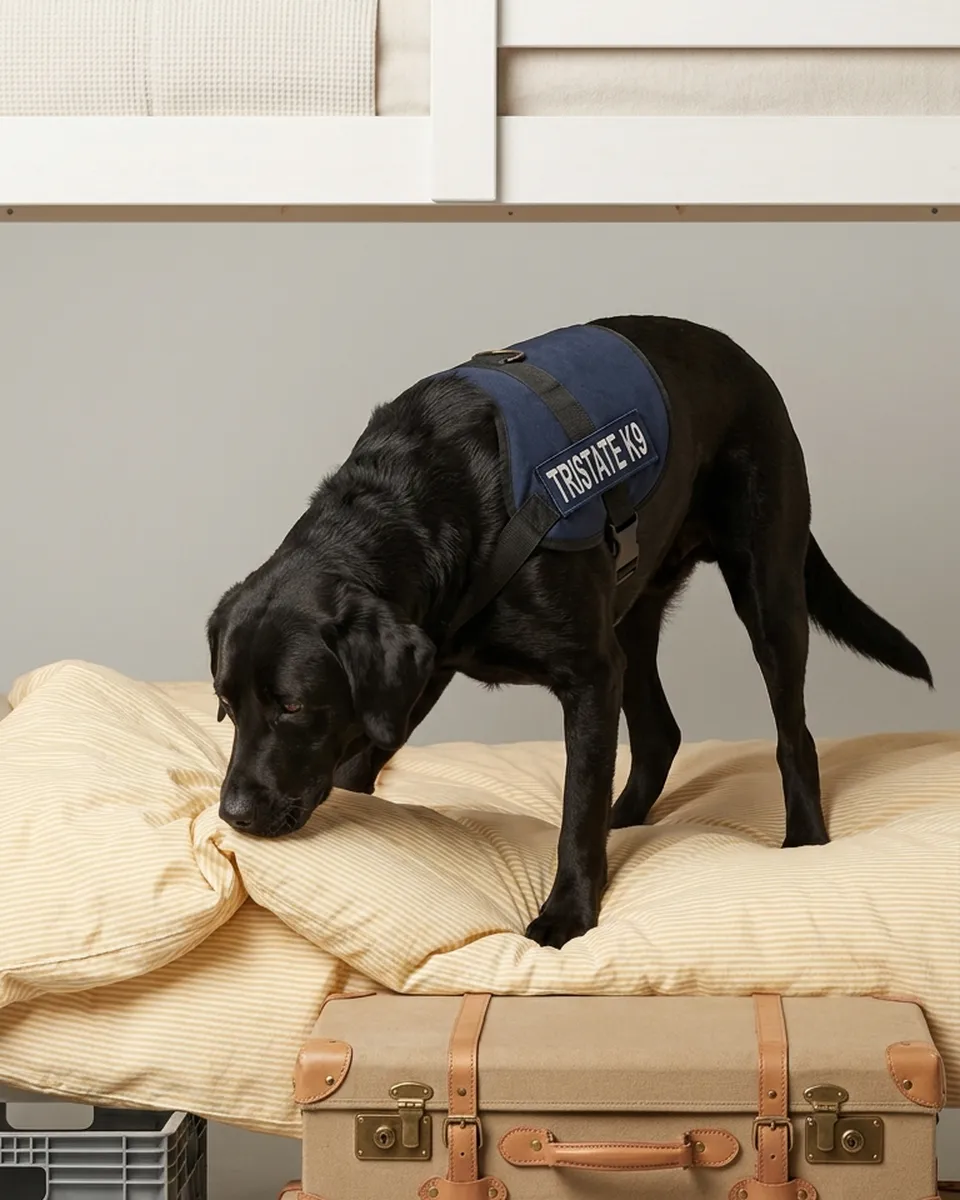
Scent dogs excel in providing non-invasive bed bug inspections due to their unique alert signals and efficient search techniques. These dogs can quickly scan large areas without the need for extensive disassembly of furniture or bedding, unlike conventional methods that often require moving numerous items. Their ability to minimize disruption is particularly beneficial in residential settings, where convenience and privacy are paramount. Property managers and homeowners appreciate this less intrusive approach, as it allows for minimal interruptions during the inspection process.
What makes bed bug detection dogs more effective than traditional inspection methods?
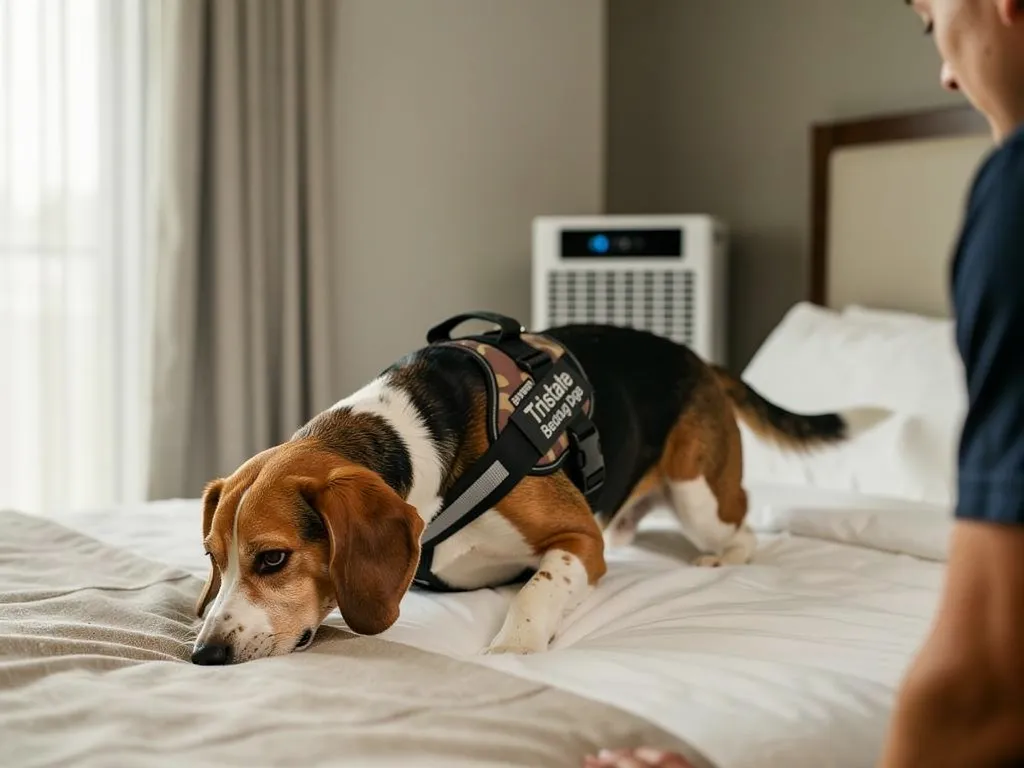
Bed bug detection dogs are more effective than traditional inspection practices due to their unique abilities and rigorous training. Unlike human inspectors, these dogs possess a sense of smell that is approximately 10,000 to 100,000 times more sensitive, allowing them to detect even minute traces of bed bugs in various environments. Additionally, their intensive training focuses on detecting the specific scents associated with bed bugs, ensuring high success rates in identifying infestations. The combination of these factors makes scent dogs an invaluable asset in the fight against bed bugs.
How accurate are canine bed bug detection dogs compared to conventional methods?
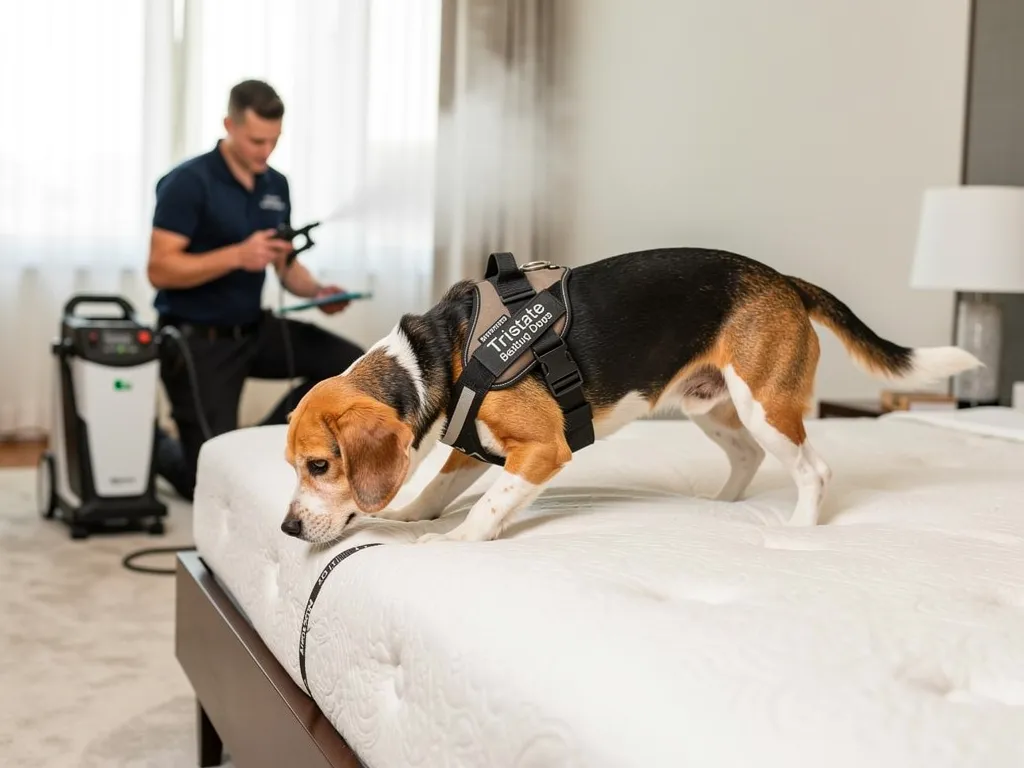
Canine bed bug detection dogs have demonstrated remarkably high accuracy when compared to conventional methods. Reports indicate that these dogs can achieve detection accuracy rates of up to 98%, while human inspectors typically range between 30% to 90%. This discrepancy underscores the advantages of utilizing canine teams for pest detection, particularly in areas where infestations may be challenging to identify visually. As such, scent dogs serve as a critical tool for effectively managing bed bug problems.
Why is canine detection faster and less disruptive?
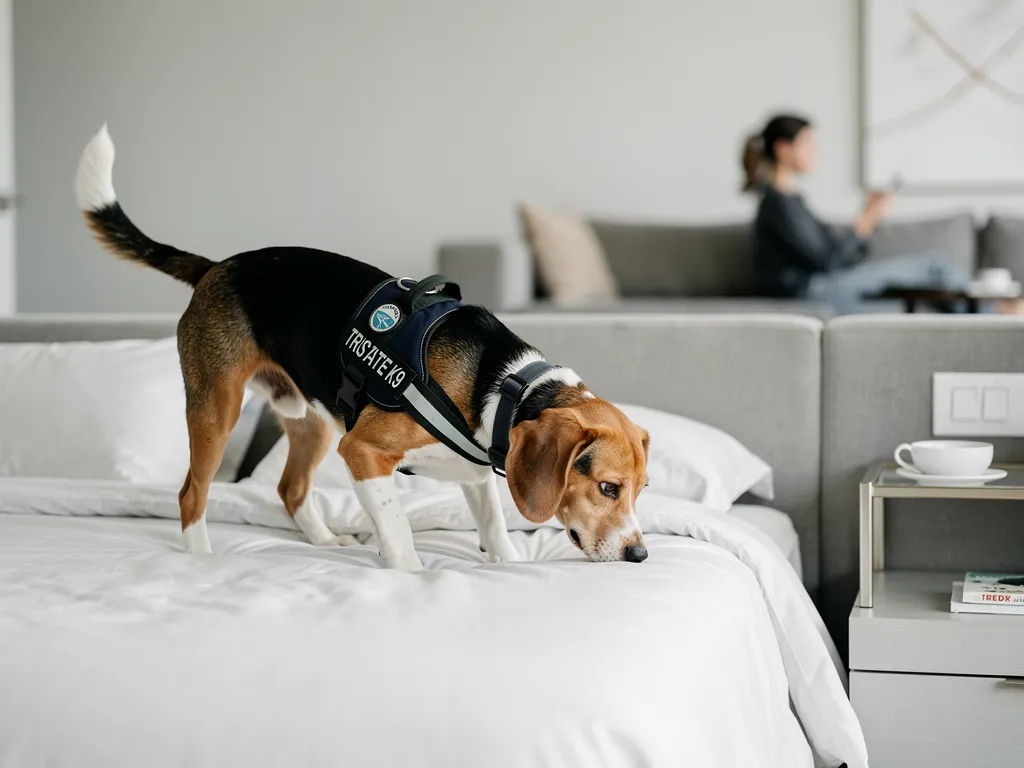
The speed and efficiency with which canine detection teams operate contribute significantly to their appeal. Scent dogs can thoroughly inspect an entire room in mere minutes, drastically reducing the time required for typical visual inspections, which can take hours. Furthermore, the non-invasive nature of canine inspections means that residents can continue with their daily activities with minimal disruption. This combination of speed and reduced disturbance promotes a more convenient and effective solution, making canine inspections the preferred choice for bed bug detection.
How should homeowners and property managers prepare for a canine bed bug inspection?
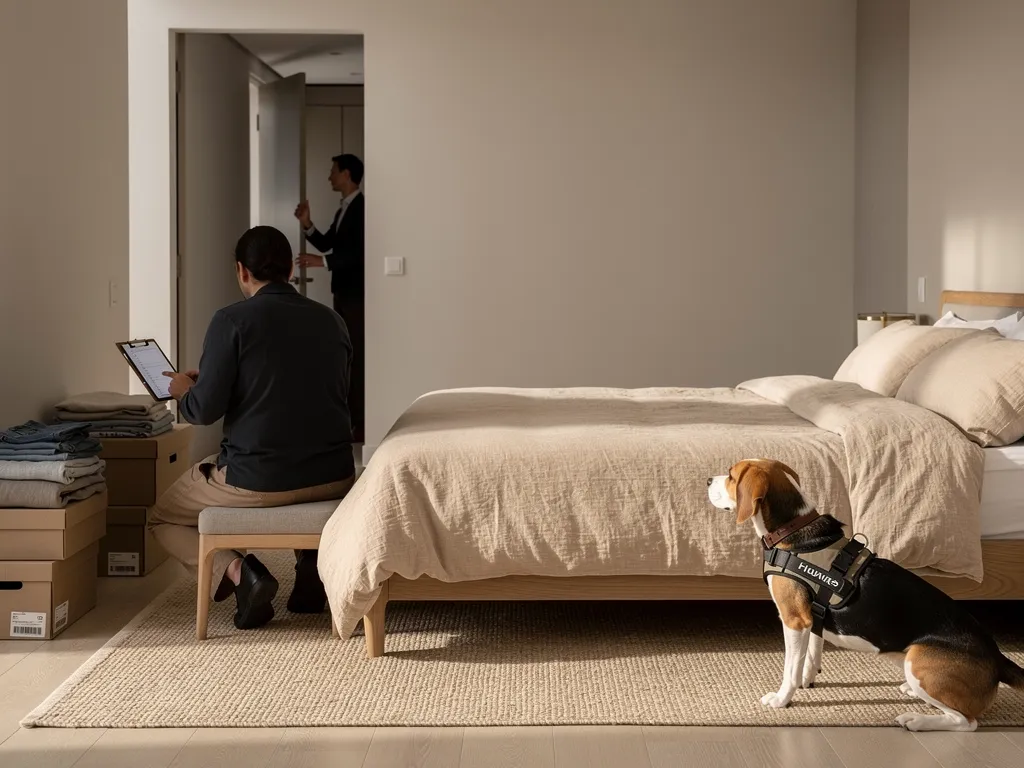
Preparing for a canine bed bug inspection is critical for ensuring success. Homeowners and property managers should follow these steps:
- Clear Clutter: Removing unnecessary items helps dogs access areas where bed bugs may hide.
- Notify Residents: Informing occupants about the inspection fosters cooperation and reduces stress.
- Provide Relevant Information: Sharing any previous sightings or suspected infested areas with the inspection team improves accuracy.
Overall, these preparations can significantly enhance the effectiveness of the inspection process.
What steps improve inspection effectiveness for bed bug sniffing dogs?
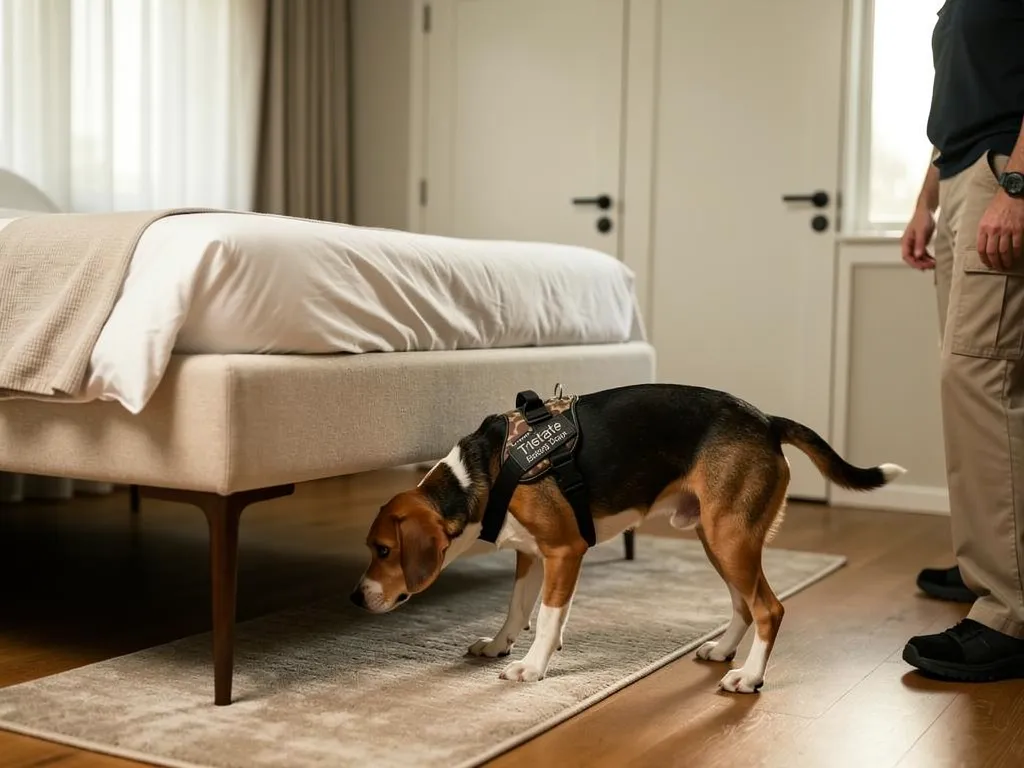
To improve inspection effectiveness for bed bug sniffing dogs, consider the following steps:
- Ensure Accessibility: Dogs require unobstructed access to areas under furniture and appliances to perform thorough searches.
- Remove Personal Items: Personal belongings and clutter can hinder the inspection process, as they may block potential hiding spots.
- Limit Environmental Distractions: Reducing noise and movement during the inspection helps the dogs maintain focus, enhancing their performance.
These steps contribute to a more efficient inspection process, increasing the likelihood of successfully identifying bed bugs.
What are typical service areas covered in the NY, NJ, CT, and PA tri-state region?
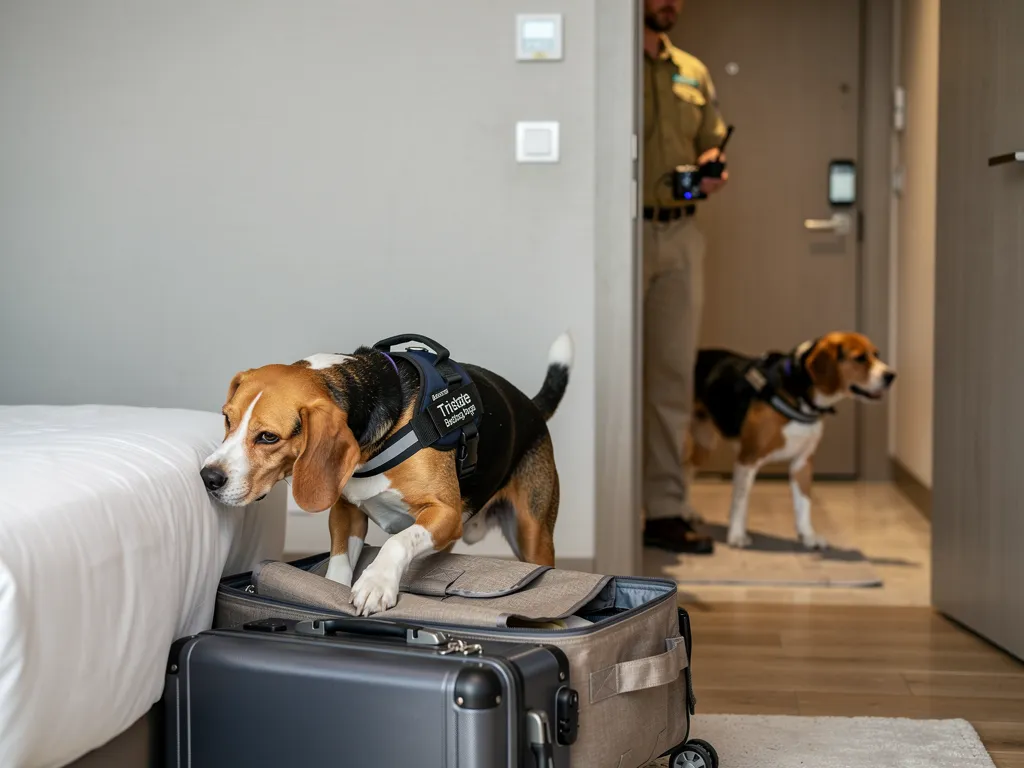
Canine bed bug detection services typically extend across the NY, NJ, CT, and PA tri-state area, covering major cities and regions within these states. Some common service areas include:
- New York: Services are available throughout New York City, including boroughs like Manhattan, Brooklyn, and Queens.
- New Jersey: The service area includes all counties statewide, ensuring broad accessibility.
- Connecticut and Pennsylvania: Coverage is offered in various urban and suburban locations, allowing for effective pest management.
This wide-ranging coverage emphasizes the commitment to making canine detection services accessible to those in need.
What do case studies reveal about the success of bed bug scent dog detection?
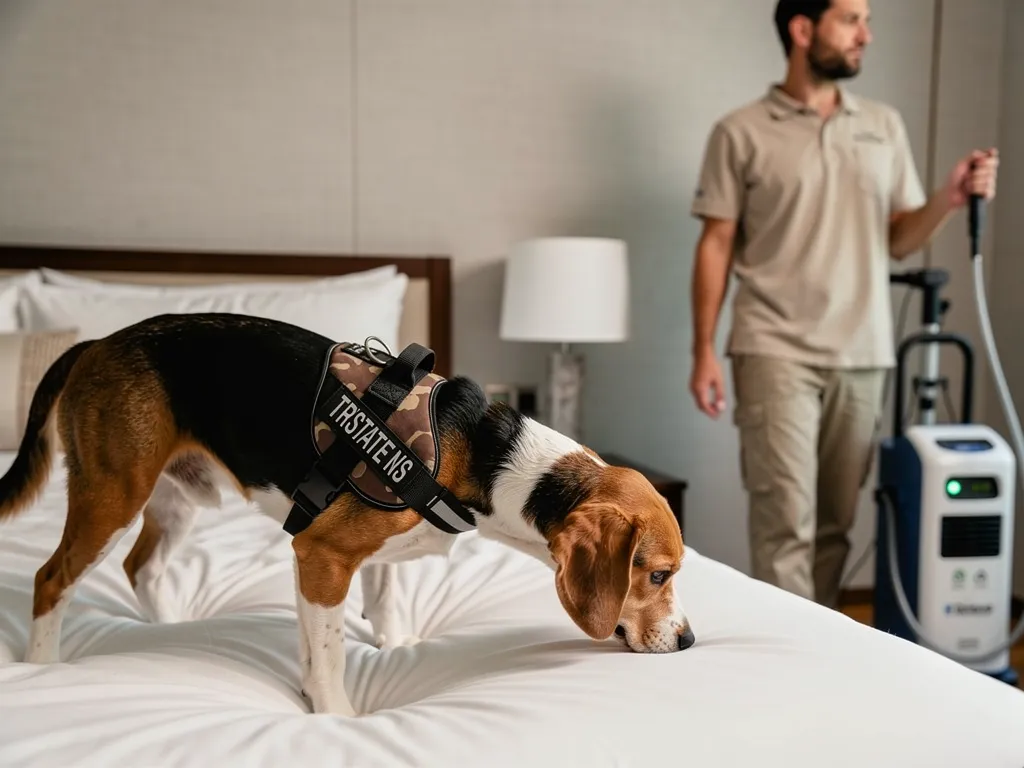
Case studies reflect the success of bed bug scent dog detection across different environments. For example, hotels utilizing canine teams report a significant decrease in customer complaints related to bed bugs, thanks to early detection and prompt intervention. In residential settings, high detection rates have contributed to effective treatments, preventing infestations from spreading further. These real-world outcomes illustrate the impact that canine inspection has on managing and resolving bed bug problems.
How have tri-state properties benefited from canine bed bug detection?
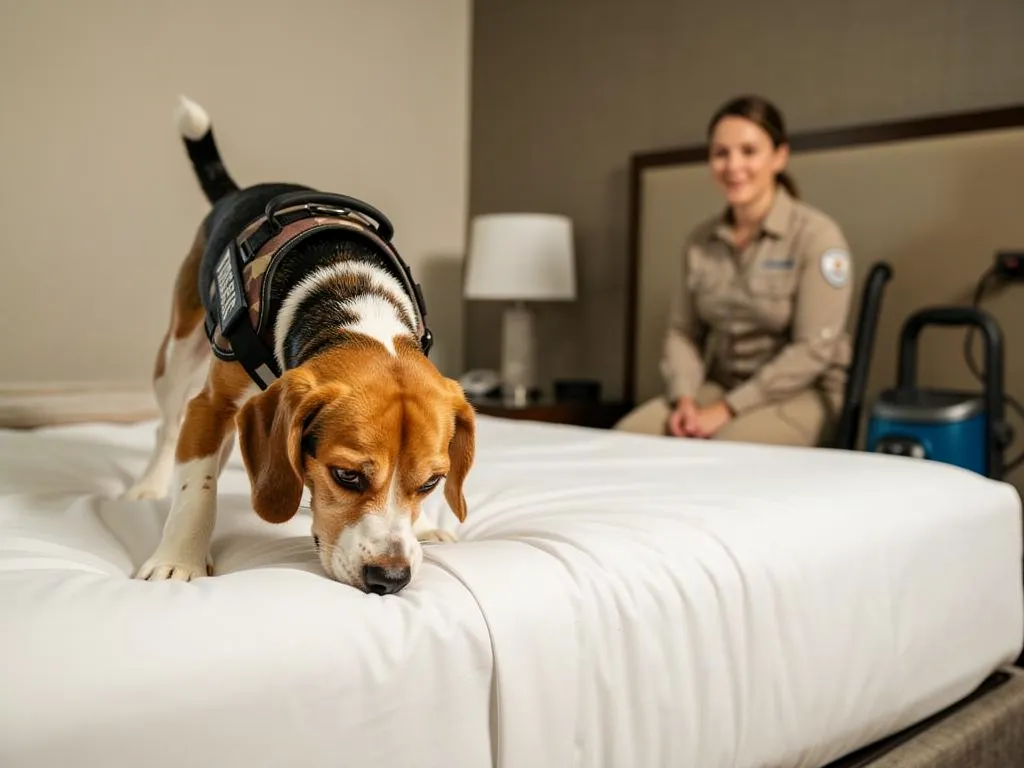
Properties in the tri-state area have experienced numerous benefits from utilizing canine bed bug detection services. Hotels have successfully resolved infestation issues more swiftly and cost-effectively, enhancing guest satisfaction and maintaining their reputations. Furthermore, residential properties have leveraged canine inspections to promote preventative measures, allowing homeowners to address problems proactively before they escalate into more significant issues. Overall, the ability of scent dogs to identify infestations accurately and quickly leads to significant advantages in managing bed bug challenges.
What do customers say about the accuracy and speed of bed bug sniffing dogs?
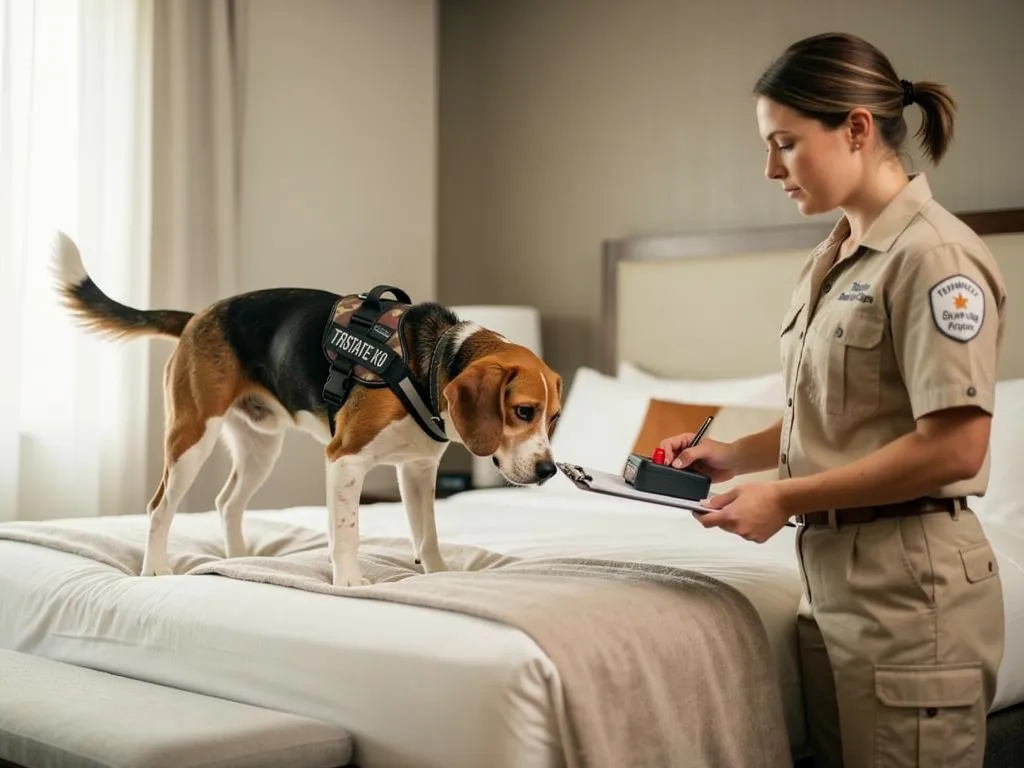
Customer feedback highlights the accuracy and speed of bed bug sniffing dogs as a primary advantage. Many users express great satisfaction with how quickly these inspections can be completed, often remarking on the efficiency observed during the process. Additionally, testimonials frequently mention the confidence gained from knowing that a well-trained scent dog has performed a thorough search. The alignment of these quick, reliable inspections has made canine detection a highly valued service for managing bed bug concerns. For common questions and answers, visit our FAQ page.