Elevate Guest Experience with K9 Bed Bug Detection Services
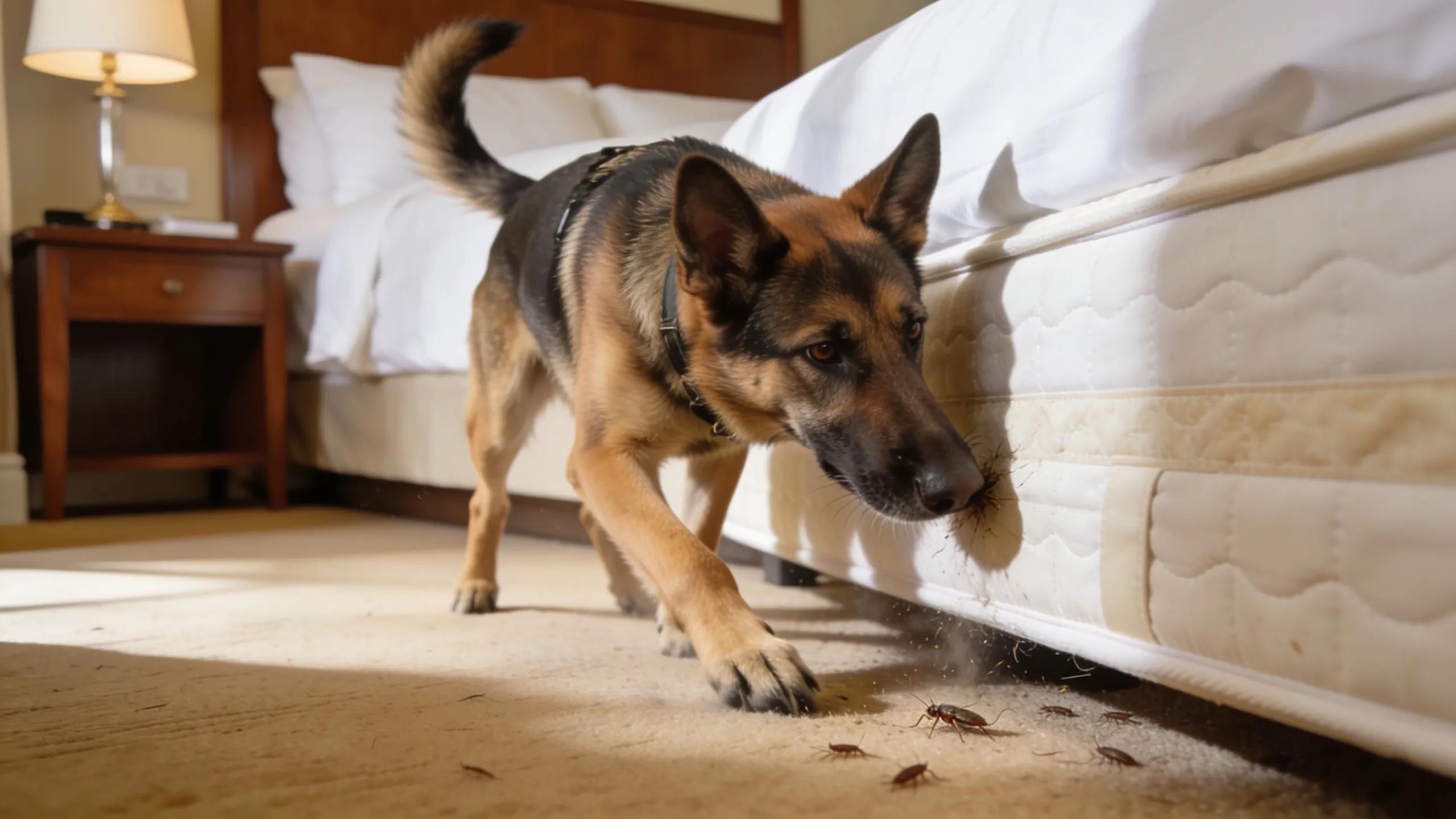
By Yemi Aina, Tristate Bedbug Dogs
In the hospitality industry, maintaining a clean, safe, and pest-free environment is paramount for guest satisfaction and brand integrity. K9 bed bug inspections have emerged as an effective solution for detecting bed bugs, leveraging the heightened olfactory capabilities of trained detection dogs. This article delves into the methodologies, benefits, and best practices associated with K9 inspections in hotels and hospitality settings, underscoring their critical role in preserving guest experiences and protecting brand reputations.
The growing concern over bed bug infestations in hospitality underscores the need for early detection and management strategies. K9 inspections provide a non-invasive, reliable means of identifying these pests while minimizing disruption to operations. This article will cover the methodologies used in K9 inspections, the myriad benefits they offer, and best practices for implementing these inspections as a standard part of hotel pest management.
Methodologies
K9 bed bug inspections employ several techniques to ensure thorough and efficient detection of these pests. The methodologies typically involve a systematic approach that maximizes the chances of identifying bed bug infestations early.
K9 Detection Process
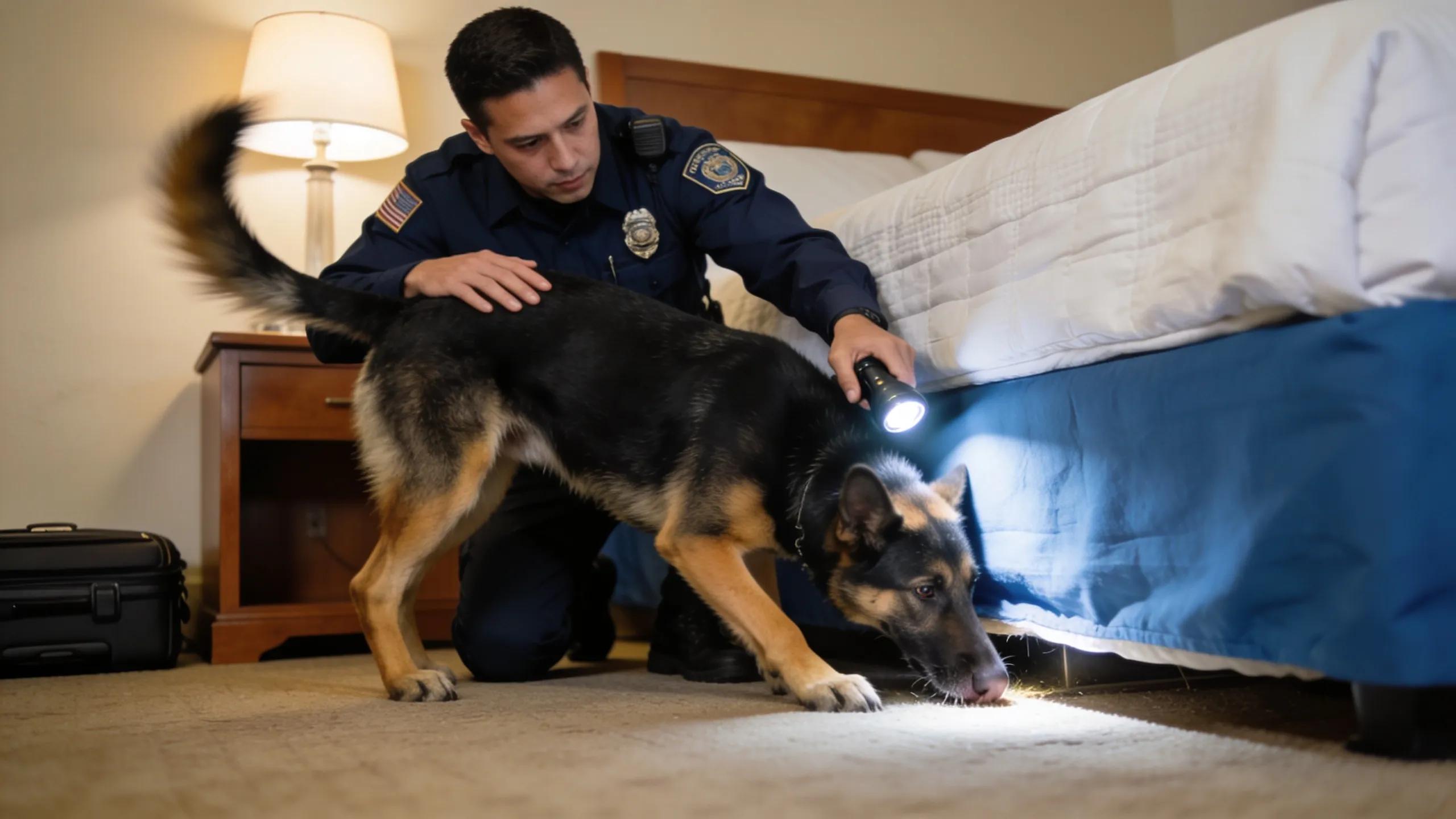
The K9 detection process relies on the extraordinary olfactory capabilities of specially trained dogs, which can identify the scent of bed bugs and their eggs from a distance. These dogsundergo rigorous training to effectively differentiate between the various odors associated with bed bugs, enabling them to inspect various areas systematically, such as bedding, furniture, and carpets. Their acute sense of smell enhances detection accuracy significantly compared to traditional inspection methods.
Regular Scheduled Inspections
Establishing a schedule for regular K9 inspections is essential for proactive pest management in hospitality. These inspections can be tailored to align with peak seasons, ensuring that hotels remain pest-free during high occupancy periods. By committing to a consistent schedule, hotels can enhance their pest management strategies, ensuring early detection and minimizing the potential impact on guest experiences.
Post-Inspection Reporting
After each inspection, a detailed report outlines the inspection findings, including any evidence of bed bugs detected. This report serves multiple purposes: it provides actionable insights for immediate remediation efforts, helps hotels develop strategies for pest prevention, and reinforces accountability among staff members involved in pest management. The clarity and thoroughness of these reports are pivotal in enhancing communication across teams concerning pest control measures.
Benefits
K9 bed bug inspections offer numerous advantages that contribute to a hotel's operational efficiency, guest satisfaction, and overall brand reputation.
High Accuracy
One of the standout benefits of K9 inspections is their high accuracy in detecting bed bugs. Research indicates that trained K9s can achieve accuracy rates of 95% or higher, significantly outperforming visual inspections alone, which often have much lower detection rates. This heightened accuracy translates to effective early intervention in managing infestations before they escalate, protecting both guests and hotel assets.
Cost-Effectiveness
Investing in K9 inspections can be highly cost-effective in the long run. Early detection of bed bugs enables hotels to reduce treatment costs associated with larger infestations, particularly as proactive measures prevent extensive damage and avoid the associated costs of repairing affected areas. The savings realized through K9 inspections far outweigh the costs incurred from conducting the inspections.
Non-Invasive Inspections
K9 inspections are notably non-invasive, allowing for thorough checks without causing significant disruptions to hotel operations or guest experiences. Unlike traditional pest control methods, which may require moving furniture and other inconveniences, K9 inspections can often be performed quickly and quietly, ensuring minimal interference with guest activities. For more details on how these processes work, one can refer to the frequently asked questions regarding K9 inspections.
Enhanced Guest Satisfaction

The peace of mind that comes from knowing that a hotel actively combats bed bug issues significantly enhances guest satisfaction. Establishing a reputation for diligence in pest management can result in positive reviews and repeat clientele, translating into stronger brand loyalty and increased profitability.
Brand Reputation Protection
Maintaining a strong brand reputation is critical for success in the hospitality industry. A single negative review regarding bed bugs can tarnish a hotel's image, leading to decreased occupancy and revenue losses. By implementing K9 inspections, hotels can uphold a commitment to quality and cleanliness, demonstrating proactive measures to prevent bed bug infestations from impacting guest experiences.
Best Practices
To maximize the effectiveness of K9 bed bug inspections, hotels should adhere to several best practices that ensure a seamless integration of these inspections into their operational frameworks.
Implement a Bed Bug Management Policy
It is essential for hotels to establish a clear and comprehensive bed bug management policy. This policy should detail the procedures for reporting sightings, scheduling inspections, and responding to infestations. Involving staff in the development of this policy fosters a culture of awareness and proactivity when it comes to pest management.
Train Staff
Training hotel staff on bed bug identification, the importance of K9 inspections, and prevention tactics can greatly enhance the overall strategy for pest control. Equipped with knowledge, staff can identify signs of bed bugs earlier, facilitating timely inspections and rapid response actions that maintain guest safety.
Communicate with Guests
Effective communication with guests regarding pest management practices promotes transparency and trust. Informing guests about regular inspections, as well as the steps the hotel takes to ensure a safe environment, can alleviate anxiety and foster confidence in the hotel’s commitment to cleanliness.
Integrate Inspections into Routine Maintenance
Integrating K9 inspections into routine maintenance schedules allows hotels to address pest management systematically. By aligning these inspections with other maintenance tasks, hotels can ensure that pest control is an ongoing priority rather than a reactive measure. Regular inspections can be blended with seasonal maintenance checks to optimize resources.
Follow-Up Treatments
Following a K9 inspection, it is critical to engage pest control services promptly if evidence of bed bugs is detected. Implementing robust follow-up treatments reinforces the commitment to maintaining a pest-free environment and allows for continuous monitoring, which can prevent future infestations.
Why Choose K9 Bed Bug Inspections for Effective Hotel Pest Control?
The use of K9 inspections in hotels offers a strategic advantage in pest management, yielding substantial benefits through their innovative methodologies and proven efficacy. For comprehensive services, consider professional solutions like those offered by Tristate Bed Bug Dogs.
How Do Bed Bug Sniffing Dogs Improve Detection Accuracy?
Bed bug sniffing dogs significantly enhance detection accuracy by leveraging their heightened olfactory skills to identify bed bugs' distinctive pheromones. With training focused on differentiating these scents, K9s can detect bed bugs and their eggs with remarkable precision, vastly improving upon traditional inspection methods.
What Are the Benefits of Canine Inspections in Hospitality Settings?
In hospitality, canine inspections lead to numerous benefits, including improved accuracy, cost-effectiveness in pest management, and enhanced guest satisfaction. Furthermore, the non-invasive nature of K9 inspections ensures minimal disruption, which is vital for maintaining service standards in a hotel environment.
How Does the K9 Bed Bug Inspection Process Work in Hotels?
The K9 inspection process typically begins with the preparation of the inspection area, where trained detection dogs systematically search spaces within the hotel, including guest rooms, hallways, and common areas. The process involves meticulous checks of potential hiding places for bed bugs, allowing for a comprehensive assessment.
What Are the Typical Steps of Canine Bed Bug Inspections?
- Preparation: Clear the area to be inspected for efficient access.
- Inspection: K9s conduct a systematic search led by their handlers.
- Reporting: Findings are documented in a detailed inspection report.
- Remediation: Initiate steps for treatment if bed bugs are detected.
How Long Does a K9 Bed Bug Inspection Take in Hospitality Environments?
A K9 bed bug inspection can typically be completed within 1 to 2 hours, depending on the scope of the area being inspected. This time frame allows for thorough coverage, ensuring that all potential hotspots are examined while minimizing disruption to hotel operations.
What Are the Costs and Pricing Models for Hotel Bed Bug Detection Services?
While the cost of K9 inspections may vary based on factors such as hotel size and frequency of service, many hotels view the investment as a means to protect their brand and enhance guest trust. Pricing models often include one-time inspections or subscription-based services for regular checks, allowing hotels to manage their budgets effectively.
How Do K9 Bed Bug Inspections Protect Guest Experience and Hotel Brand Reputation?
K9 inspections play a crucial role in protecting guest experiences and hotel reputations by ensuring early detection of bed bugs, allowing for timely interventions before infestations escalate into serious issues. Furthermore, employing professional canine inspections demonstrates a commitment to cleanliness and guest safety, reinforcing the message that the hotel prioritizes high standards of service.
Why Is Early Bed Bug Detection Critical for Hospitality Pest Prevention?
Early detection is vital in preventing bed bug populations from growing unchecked, which can lead to increased treatment costs and potential reputational damage. By addressing infestations promptly, hotels can maintain high standards of cleanliness and safeguard their guests' experiences.
How Do Canine Inspections Reduce Treatment Costs and Negative Reviews?
Canine inspections help to significantly reduce treatment costs by enabling early intervention and minimizing the risk of extensive infestations that require costly remediation efforts. Additionally, swift action reduces the likelihood of negative guest reviews, protecting the hotel’s reputation and ensuring continued patronage.
| Methodology | Description | Benefit |
|---|---|---|
| K9 Detection | Uses trained dogs to identify bed bug scents | High accuracy in detection |
| Regular Inspections | Scheduled checks throughout the year | Prevents infestations through early detection |
| Detailed Reporting | Provides comprehensive inspection findings | Facilitates actionable responses and accountability |
The methodologies underlying K9 bed bug inspections reflect an advanced approach to pest management that prioritizes guest satisfaction and brand integrity. By integrating K9 inspections into overall pest control strategies, hotels can protect their investments in guest experiences and ensure operational excellence.